















Every morning, while sipping my coffee and checking my inbox for new emails, I read the Wofford Daily Announcements. A routine I look forward to every day at roughly 9 a.m. These announcements are inundated with sporting events, talks, fundraisers, etc. Sometimes it takes me half an hour to read through all the things happening on campus on a given day or week. Seeing all these events and opportunities, I wonder: Do Wofford students really spend their time attending these events?
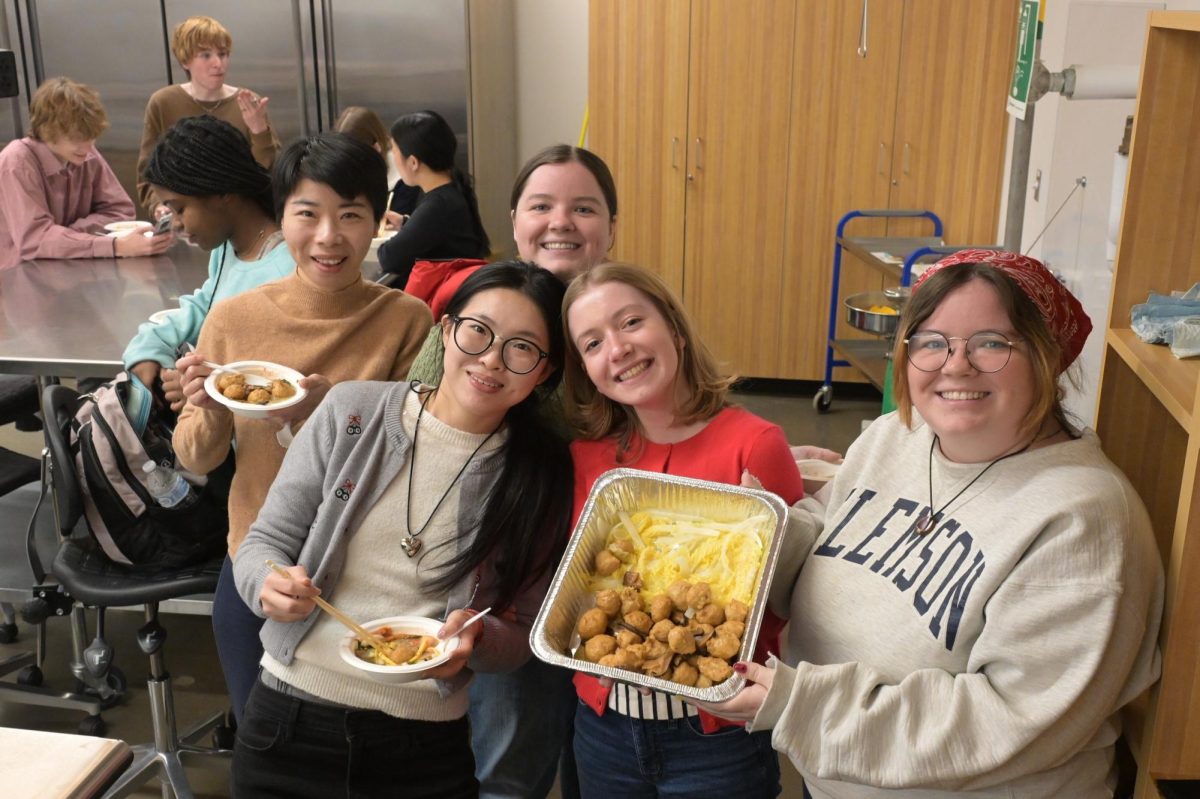
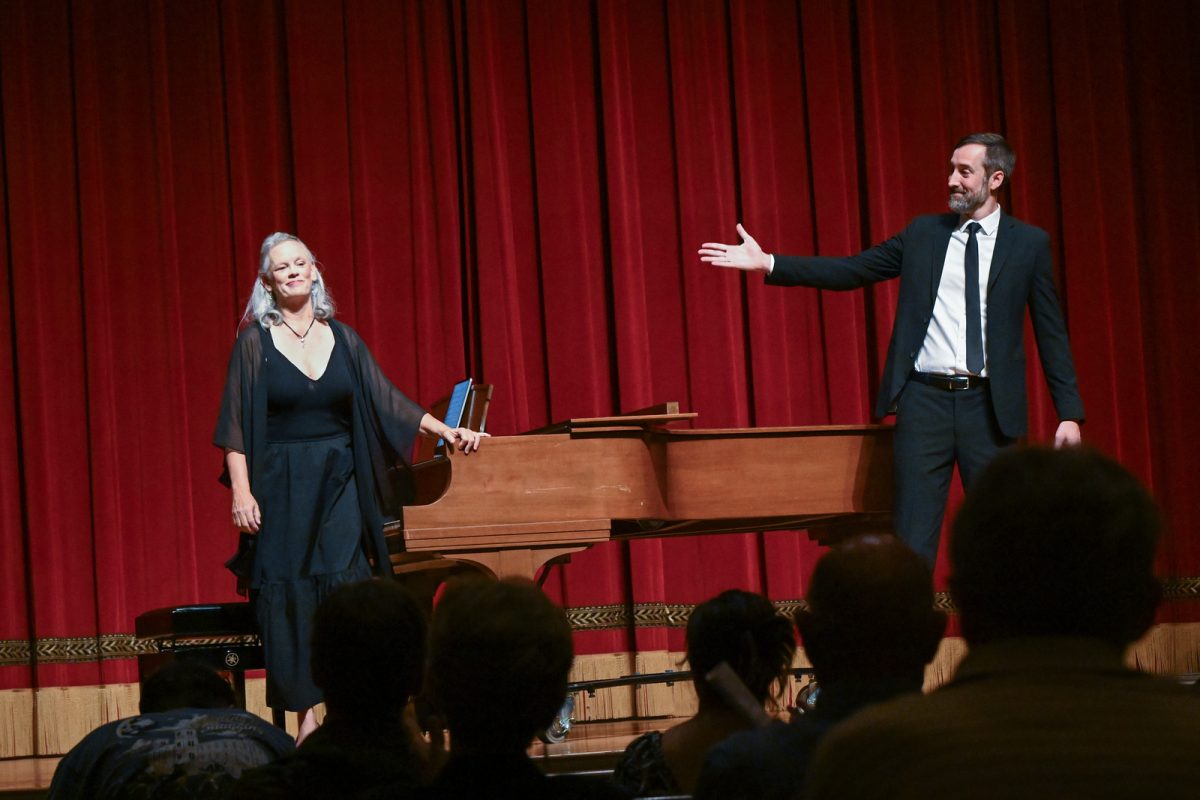
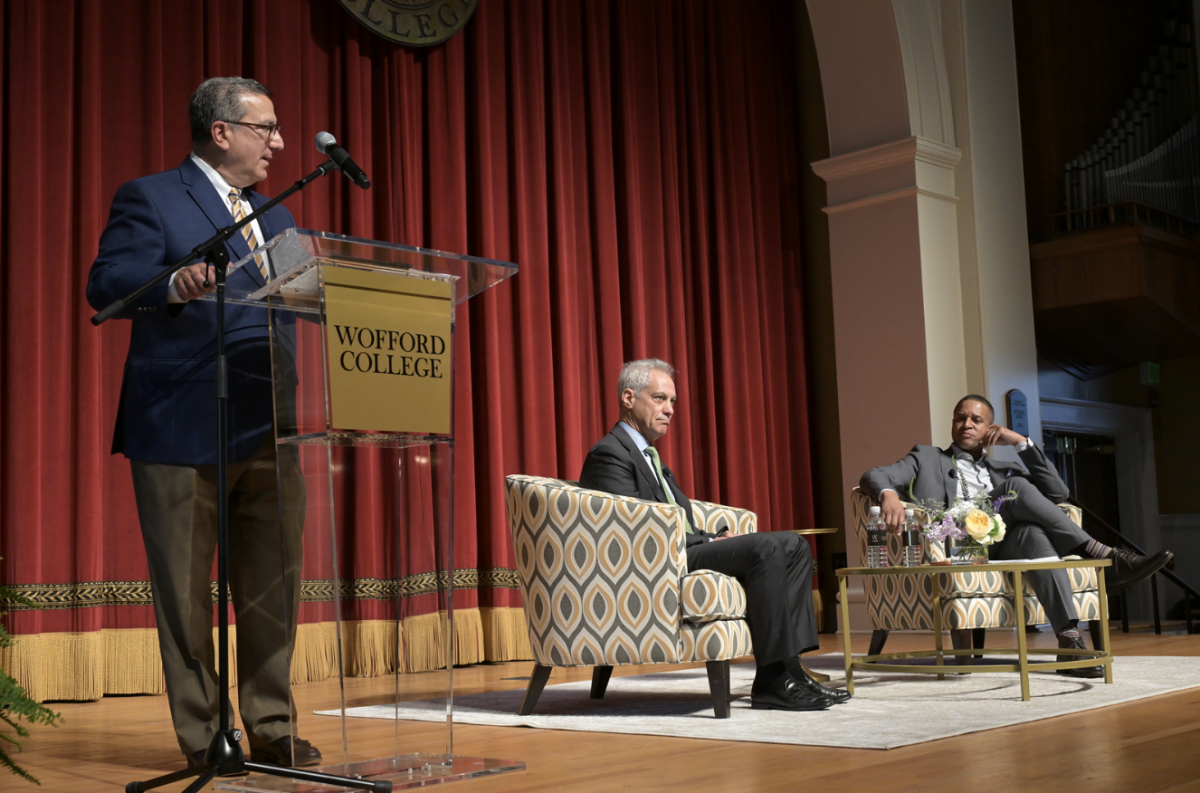
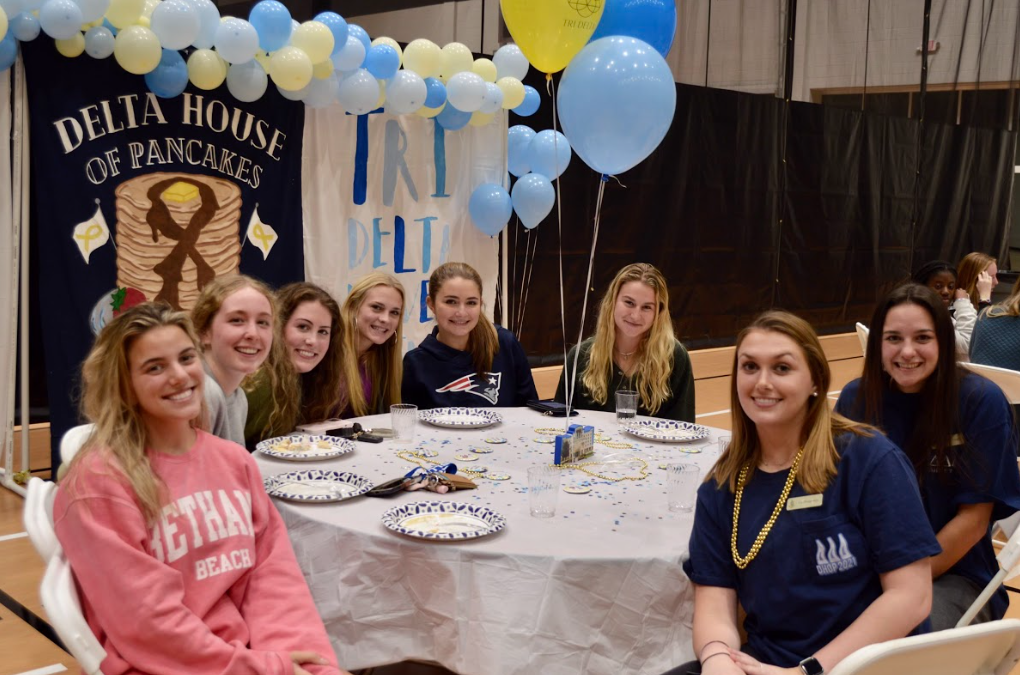
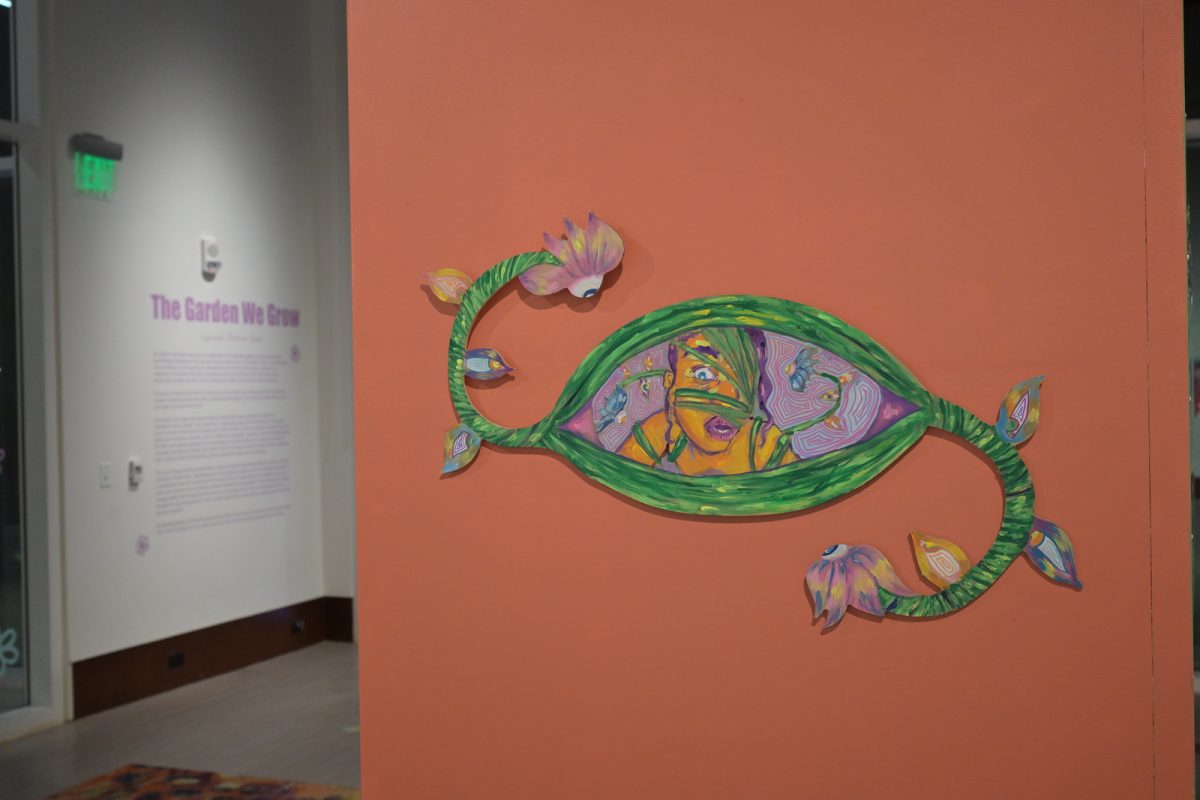
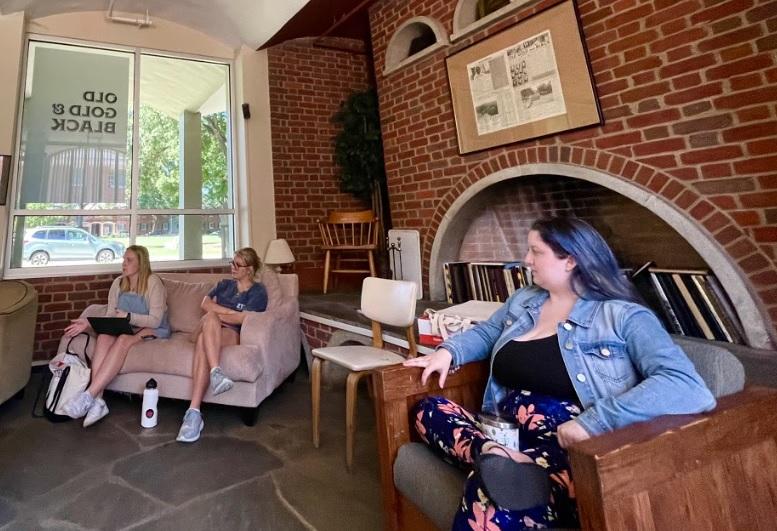
Wofford College hosts a variety of events and activities daily. Renowned speakers including Pulitzer prize winning authors and doctors from prestigious universities come and share their work. Residence-life and the Wofford Activities Council plan community engagement events with food and fun. Yet student turnout at these events is minimal, potentially in decline.
When polled on how Wofford students spend their time outside of class, 55% of 47 respondents responded that they hang out with friends, 38% spend time doing homework, 5% spend time going to events, and 2% spend time fulfilling Greek life commitments. These statistics lend the question: Why are students not attending these events with their peers?
For further evidence of this discrepancy, when Wofford students were asked about how often they attend campus events, 57% responded only sometimes, 30% responded often, and 13% responded rarely. Though “sometimes” is not very specific, with how many events that occur daily and weekly, I would assume this means attending once or twice a week, if not less.
What explains this low turnout? Is it the events themselves that do not interest Wofford students? Or is it that Wofford students care about other things? When Wofford students were asked if the events on campus interested them, 69% responded sometimes interested, 26% responded often interested, and 5% responded rarely interested. Though Wofford does offer a diverse range of events, presentations, etc., should the college take into consideration more specifically what students are interested in?
Though this may be logistically challenging, it seems like the college would be getting the most out of the money they spend if they ask students what issues they want speakers to address or what events they actually find to be fun and exciting. Or is this an issue with Wofford students? Should Wofford students attend these events even if they don’t necessarily realize the importance off the bat?
When Wofford students do attend these events, it is usually because of extra credit opportunities presented by professors. With 45% of respondents sharing their motivations for attending events is due to extra credit, 42% attend because they are interested in the topic, and 13% attend because of career goals. If the college wants higher turnout at events, should it require professors to offer more extra credit opportunities? Or should it rely on students to simply attend out of interest?
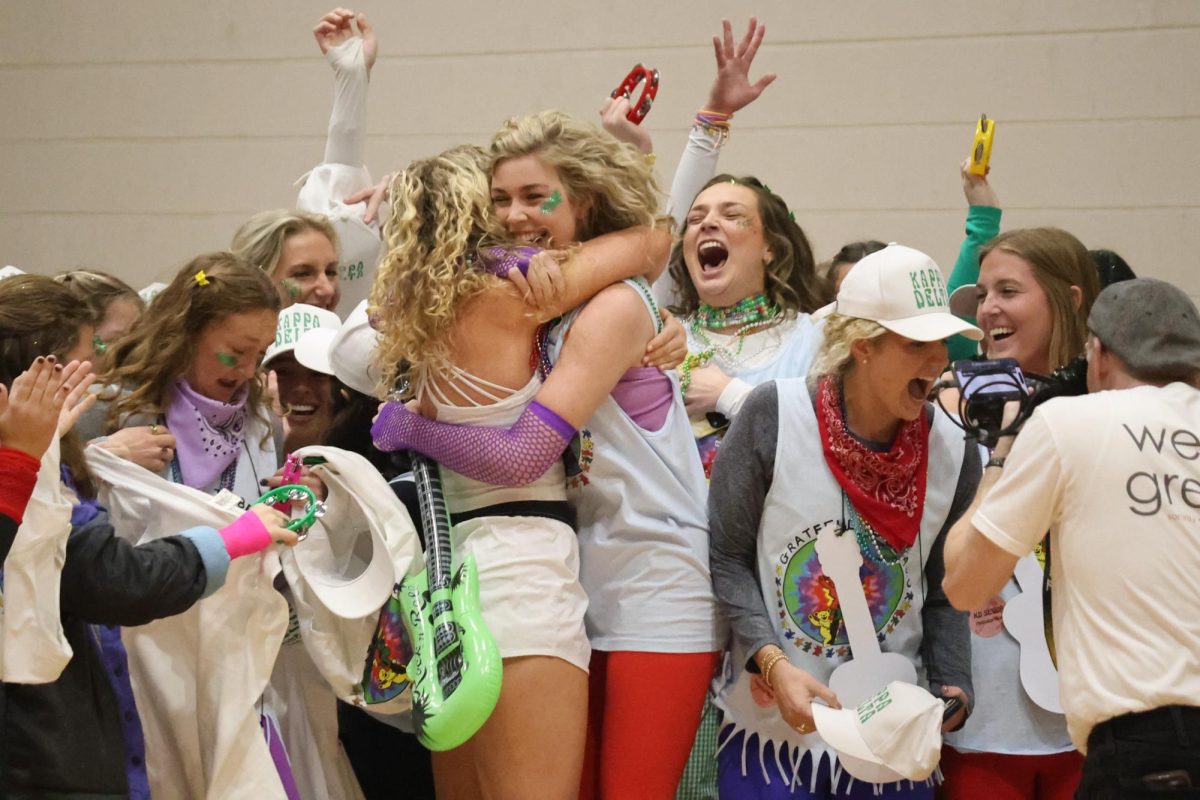
Out of all the types of events Wofford students could attend, 65% of respondents say they are most likely to attend Greek life events, 14% talks/presentations, 12% sporting events, and 9% other types of events. This may be due to the high percentage of Wofford students participating in Greek life and attendance at these events being mandatory.
What is the solution to this low turnout at events, specifically talks and presentations by highly qualified speakers? Though I think collaboration between students and the college on what events to host on campus could be a good idea, overall, I believe a shift in student motivation could result in higher turnout. Wofford students should attend these events for the sake of learning.
The opportunity to learn something new, be challenged in one’s belief, or to meet new people should be the guiding principle in how Wofford students decide whether to attend on-campus events or not. Unfortunately, this is not the case as evidenced above; students mainly seem to be motivated by extra credit or their own specific interests to attend these events. Wofford students are missing out in many ways by not attending these events, and this culture must be changed in order to get the most out of our college experience.